NASA now estimates 22 rocket launches are needed for a single Moon trip
A new internal assessment suggests the Artemis lunar landing will require a significantly higher volume of propellant resupply missions than previously assumed by space officials.
By Daniela Vargas ·
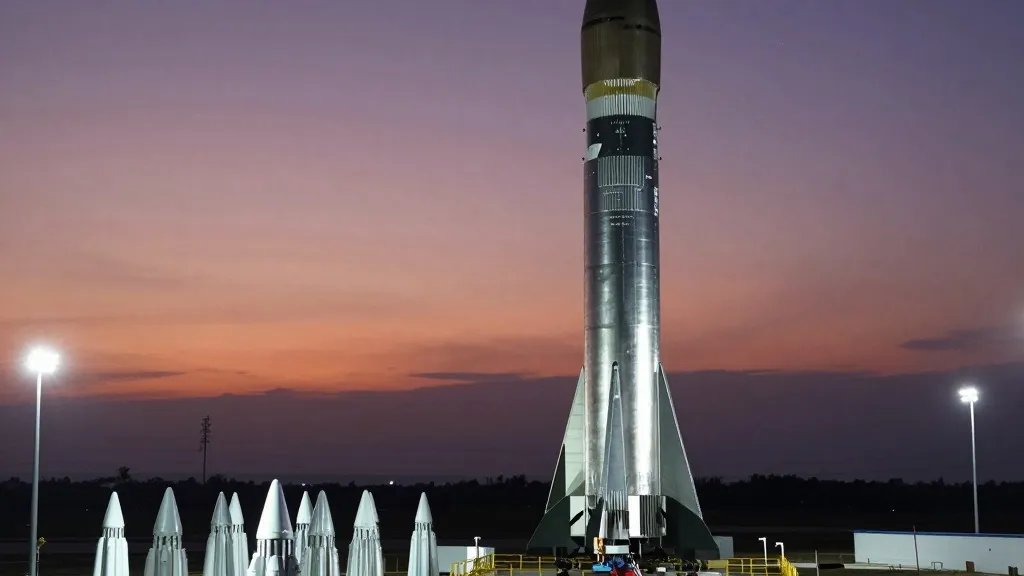
The number 22 has emerged as the latest internal estimate for the sheer volume of rocket launches required to support a single crewed mission to the Moon. This figure, discussed during a recent safety review, represents the total count of Starship vehicles needed to fuel a lunar lander in low-Earth orbit. The calculation includes one primary vehicle serving as the depot and 21 additional tanker ships tasked with delivering liquid oxygen and methane. This specific breakdown marks a significant shift in how the agency is modeling the logistical challenges of deep space travel.
For years, the National Aeronautics and Space Administration has been notably cautious about disclosing this specific metric. The agency has treated the required launch count with a level of secrecy comparable to guarded defense data, often preferring to remain vague rather than commit to a hard number. This hesitation stems from the dynamic nature of the hardware involved. As the rocket system evolves, the efficiency of each flight changes, making previous projections quickly obsolete. Officials have historically described the number as a moving target, avoiding precise figures until the engineering data stabilizes.
In 2023, Lisa Watson-Morgan, who served as the director of the Human Landing System, acknowledged to media outlets that the agency possessed a general understanding of the requirements but was reluctant to state them explicitly. She later characterized the expectation as being in the "high single digits to the low double digits." This earlier estimate implied a requirement of roughly a dozen launches. By that standard, the logistics would have involved one depot Starship and approximately 11 tanker Starships to achieve a full load for a lunar voyage. While already a substantial operational burden, this figure represented the optimistic baseline for the program's timeline.
However, the landscape has shifted as new data has come to light. Some officials within the agency have expressed concern that the anticipated dramatic improvements in the rocket's lift capacity may not materialize quickly enough. The original hope was that enhanced performance would significantly reduce the number of tanker flights needed to fill the depot. If that improvement does not occur soon, the timeline for returning humans to the lunar surface within the current decade faces increased pressure. The discrepancy between the previous "high teens" estimates and the new figure of 22 highlights the growing complexity of the propellant logistics chain.
The revelation came during the quarterly meeting of the NASA Aerospace Safety Advisory Panel held this week. Charlie Precourt, a panel member and former NASA astronaut, addressed the group regarding the risks associated with the Artemis program. His presentation focused on the operational hazards involved in landing humans on the Moon. The discussion provided a rare glimpse into the internal calculations that drive mission planning. It underscored the delicate balance between technological ambition and the practical constraints of launch cadence and orbital refueling operations.
The move to a higher launch count suggests a more conservative approach to mission planning. It indicates that the agency is accounting for potential inefficiencies or slower-than-expected progress in hardware upgrades. This shift does not necessarily cancel the plan, but it does reshape the operational reality of the upcoming years. The focus now turns to whether the launch infrastructure can sustain the high frequency of flights required to support such a demanding resupply schedule. The number 22 is not just a statistic; it is a measure of the logistical intensity required to make a lunar landing a reality.
Source: Ars Technica