NASA Confirms 2028 Moon Landing Target After Major Architectural Shifts
The space agency has finalized new docking protocols for SpaceX and Blue Origin to streamline the path to lunar surface missions.
By Ken Adams ·
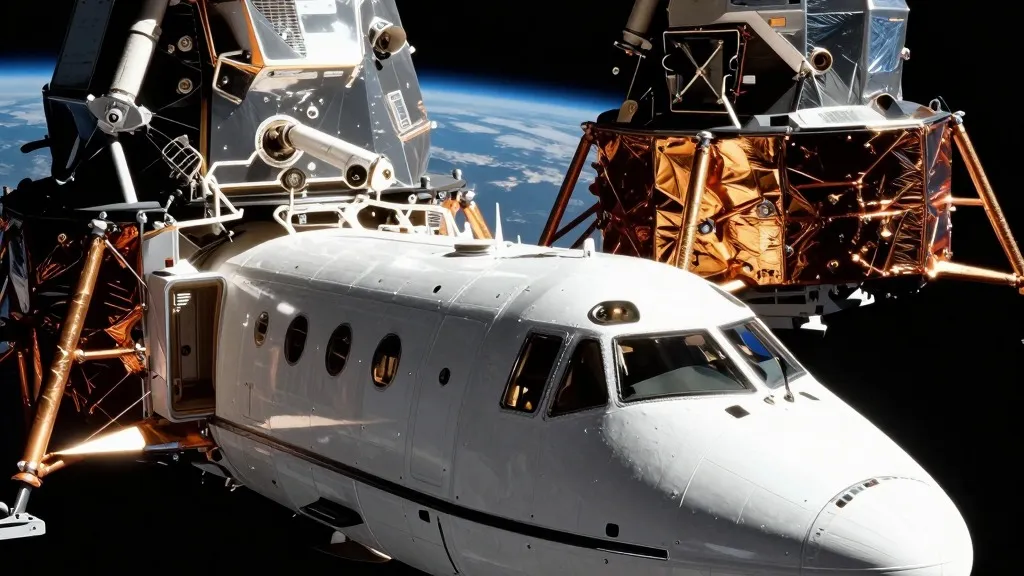
NASA has officially locked in a 2028 timeline for landing astronauts on the Moon, revealing significant changes to how commercial partners will operate in orbit.
During a detailed briefing on Friday, officials outlined the revised architecture for the Artemis program. The primary shift involves the SpaceX Starship vehicle, which will now dock with the Orion spacecraft in high-Earth orbit before the combined vehicle travels to the Moon. This change eliminates a previously complex maneuver. For the Blue Origin track, the plan relies on four separate launches of the New Glenn rocket. Notably, this architecture removes the need for in-space refueling between spacecraft. It also allows for the possibility of the Blue Moon lander rendezvousing with Orion in low-Lunar orbit.
These updates resolve a long-standing technical hurdle for the program. In early 2026, SpaceX engineers requested that NASA remove the requirement to dock in a near-rectilinear halo orbit around the Moon. That specific orbital path required excessive energy and presented other engineering difficulties. The cancellation of the Lunar Gateway project earlier this year effectively solved this issue by altering the mission framework. This move simplifies the operational sequence for the private lander providers and aligns their technical requirements with the agency's broader goals.
The agency maintains its current schedule for upcoming missions. NASA officials stated they still anticipate launching Artemis III by the summer of 2027. This mission will serve as a demonstration, involving docking procedures with both the Blue Moon and Starship vehicles near Earth. Following that, the agency is tracking toward a 2028 launch for Artemis IV, which marks the first crewed landing on the lunar surface since the Apollo era.
NASA Administrator Jared Isaacman expressed confidence in the revised strategy. He described the current plan as an achievable path, citing the agency's mandate, resources, and stakeholder support. "We have the mandate, we have the resources, and the support from our stakeholders to be able to execute, and that’s what we intend to do," Isaacman said. He emphasized that leadership has reviewed every element of the program to accelerate progress for the lunar lander companies.
While the new architecture is designed to streamline operations, the tight timeline remains a point of focus. The agency aims to balance technical feasibility with the aggressive pace set for the next two years. By removing complex orbital maneuvers and refueling requirements, NASA hopes to reduce risk and cost for its commercial partners. This streamlined approach is expected to facilitate faster execution of the final steps toward a crewed lunar landing.
The next critical milestone is the summer 2027 launch of Artemis III. Success in this demonstration phase will validate the new docking protocols and orbital mechanics. If the mission proceeds as planned, it will clear the way for the crewed landing in 2028. NASA continues to monitor progress from both SpaceX and Blue Origin, ensuring that their systems align with the updated architectural requirements.
Source: Ars Technica