SpaceX rejects military deals while Starship faces refueling hurdles
Elon Musk's company declines three Space Force contracts, and a Spanish rocket maker approaches its final integration phase.
By Khalid Rahman ·
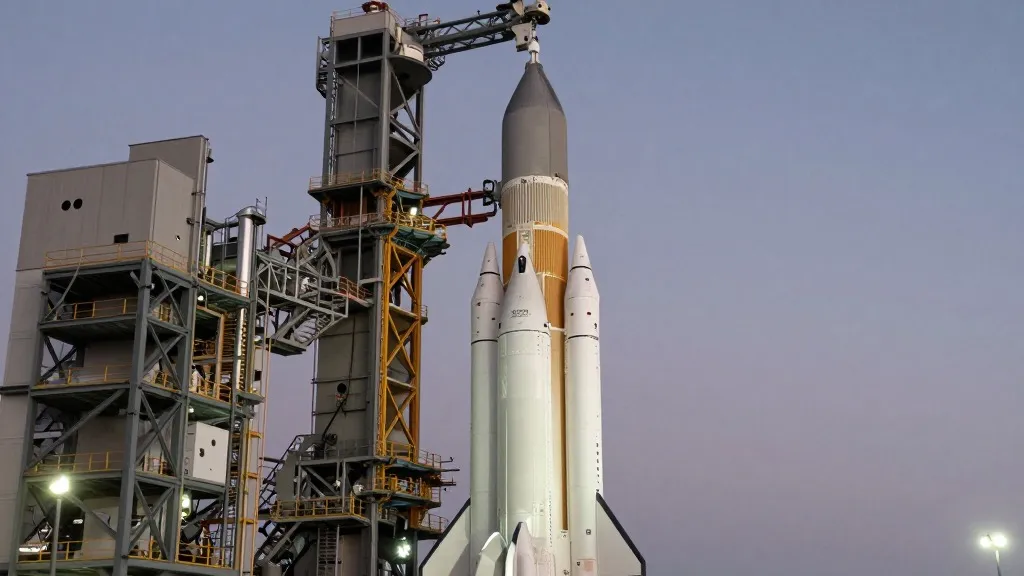
SpaceX has effectively closed the door on a significant portion of the US military's launch requirements, informing the Space Force that it will not be accepting three offered contracts. This decision represents a notable shift in the company's engagement with government clients and arrives at a time when the industry is closely watching how private firms balance commercial ambitions with public sector obligations. The move underscores the company's ongoing strategy to prioritize specific customer segments over others.
The rejection of these three military launch opportunities stands out as a major development for the sector. While the Space Force has consistently sought diverse launch providers to ensure redundancy and capability, SpaceX's choice to pass on this work suggests a recalibration of its current workload or strategic focus. This decision adds a layer of complexity to the military's procurement plans, forcing officials to look elsewhere for the capacity they initially intended to secure from the industry leader.
Simultaneously, the civil space division of the company is facing technical scrutiny regarding its flagship vehicle. A NASA safety panel has indicated that the Starship rocket may require up to 22 separate refueling operations to support a lunar landing mission. This high number of in-orbit refueling events raises questions about the operational feasibility and timeline for such missions. The panel's assessment highlights the intricate engineering challenges involved in making deep space travel a routine reality rather than a singular achievement.
The implications of the potential 22-refueling requirement are significant for the budget and schedule of lunar missions. Each refueling operation represents a critical step that must be executed with precision, increasing the cumulative risk of the overall mission. As NASA and SpaceX work to refine these procedures, the number of required tanks and the efficiency of the transfer process will remain focal points of discussion among engineers and stakeholders.
In Europe, progress is being made on the development of the Miura 5 rocket by PLD Space. The company reports that the vehicle is nearing final integration, a critical milestone before its inaugural launch. This small-lift rocket is one of three units already manufactured by the firm, with the previous two vehicles used to qualify key system elements. CEO Raúl Torres noted that the manufacturing process has allowed teams to apply lessons learned from earlier campaigns directly to the launch vehicle, streamlining the final stages of production.
PLD Space currently targets a first flight for the Miura 5 before mid-2027. The second stage of one of the vehicles is now fully integrated and is undergoing system-level testing under representative operating conditions. This testing is taking place at the company's Teruel test facility, where the stage will undergo a wet dress rehearsal and a static hot-fire test. These qualification campaigns are essential to ensure the rocket's reliability and performance during its first orbital attempt.
Across the Atlantic, Canadian launch startup Reaction Dynamics is seeking to secure significant capital to accelerate its growth. The company aims to raise $350 million to expand its workforce from 68 employees to more than 350. This funding drive is intended to support the development of its small-lift Aurora rocket, which the company hopes will reach orbit in 2028. The expansion of staff reflects the intensive labor required to bring a new rocket to market in a competitive global landscape.
Beyond the Aurora, Reaction Dynamics has announced plans to develop a medium-lift rocket named Borealis. The company targets a debut for this larger vehicle by 2031. This dual-track approach allows the firm to address different segments of the launch market, from smaller payloads to larger missions. The successful execution of these plans will depend on the company's ability to secure the necessary funding and maintain a steady pace of development.
These developments collectively illustrate the current state of the commercial space industry. While major players like SpaceX make strategic choices that impact government contracts, emerging companies like PLD Space and Reaction Dynamics continue to push forward with their own development timelines. The sector remains dynamic, with new challenges and opportunities emerging as technology advances and market demands evolve.
As the industry moves forward, the decisions made by these companies will shape the future of space access. The rejection of military contracts by SpaceX, the technical hurdles facing Starship, and the integration milestones for the Miura 5 all contribute to a broader narrative of a sector in transition. Stakeholders will be watching closely to see how these individual stories converge to define the next phase of commercial spaceflight.
Source: Ars Technica