Tesla targets year-end delivery for 30,000-dollar autonomous Cybercab
Tesla executives confirmed that limited customer deliveries of the two-seater robotaxi will begin before the end of 2026, primarily for internal fleet use initially.
By Chinedu Okafor ·
The automotive industry has long debated the timeline for truly driverless vehicles, but recent statements from Tesla leadership have clarified that the first consumer-facing units of its Cybercab are imminent.
During the company’s third-quarter 2026 earnings call held on October 21, Vice President of Engineering Lars Moravy provided a definitive target for when customers can begin acquiring the vehicle. He stated that Tesla is aiming to start delivering the purpose-built Cybercab robotaxi to customers before the end of the year, effectively ending months of speculation regarding the vehicle's market availability.
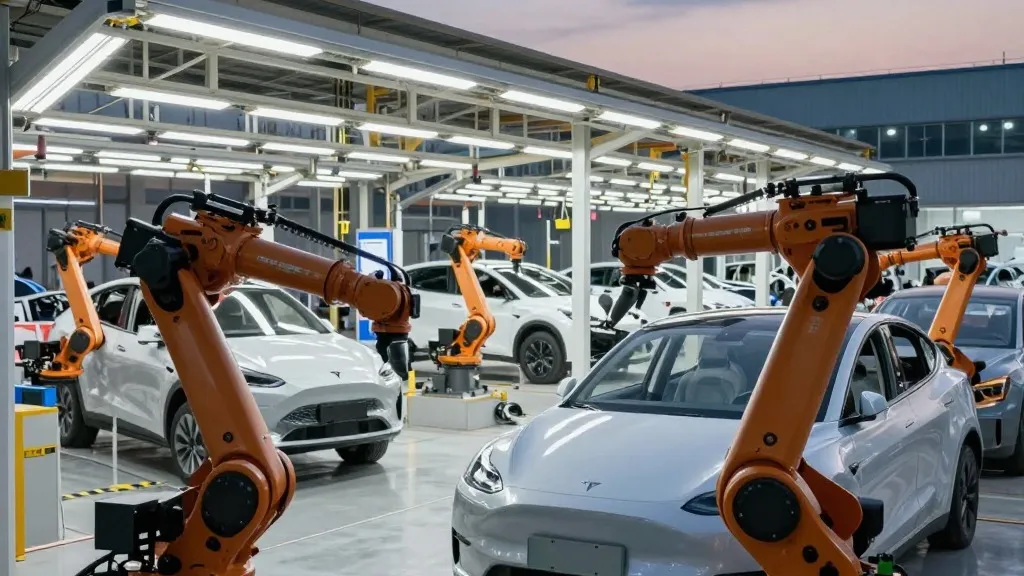
Moravy explained that production is currently active on the line at Gigafactory Texas. However, he noted that every unit rolling off the line is currently allocated to Tesla’s internal Robotaxi fleet. He described this phase as a necessary step to gain experience with delivery logistics, ownership models, and fleet management before handing keys to external buyers. As operations scale, Tesla plans to mainly deliver fully designed autonomous vehicles to customers, with the Cybercab serving as the first example of this strategy.
CEO Elon Musk reinforced the idea that private sales will initially be limited. He characterized the Cybercab primarily as a "transport-as-a-service" offering rather than a traditional personal ownership vehicle like the Model 3 or the upcoming Roadster. "The vast majority of the Cybercab stuff will be Tesla-owned and transport-as-a-service," Musk said, signaling that the vehicle is intended to function as a public transit asset rather than a private garage staple.
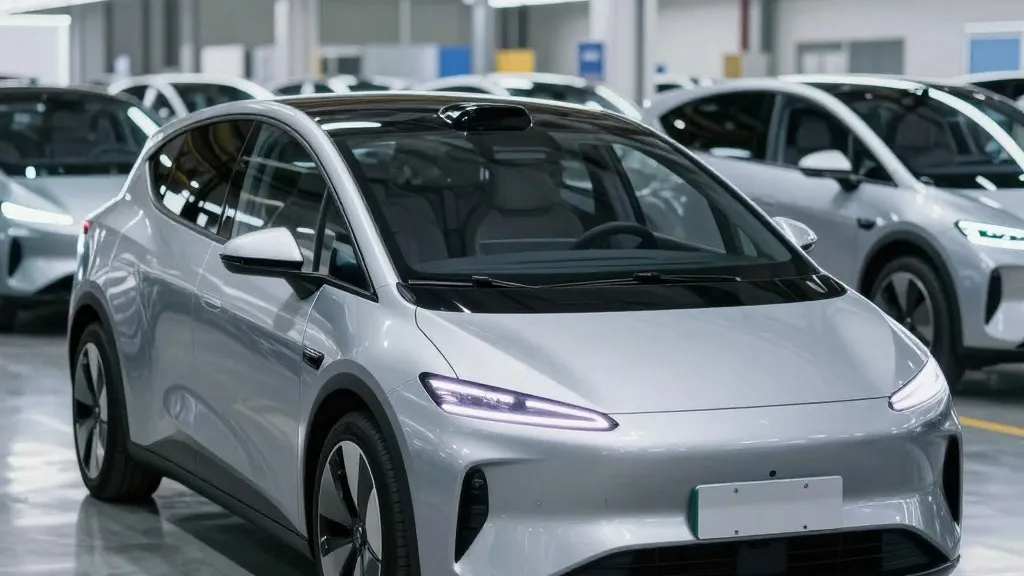
The Cybercab itself is a distinct departure from Tesla’s existing lineup, designed as a two-seater without a steering wheel or pedals. It relies entirely on Tesla’s Full Self-Driving suite for navigation and control. Production of the vehicle began in February of this year, and early units were integrated into Tesla’s Robotaxi service in early September when the company began offering rides to the general public. Tesla has previously indicated an aim to price the Cybercab at approximately $30,000, a figure that underpins its strategy for cost-effective autonomous mobility.
Despite the imminent delivery date, several caveats and operational hurdles remain. Ashok Elluswamy, Tesla’s Head of AI, indicated during the same call that unsupervised Full Self-Driving is expected to ship to consumer cars during the second quarter of 2027. This suggests that while the hardware is ready, the software maturity for widespread, unrestricted autonomous operation is still developing.
Furthermore, initial customer deliveries are expected to start small as the company navigates the complexities of operating autonomous vehicles outside its direct control. Early buyers or fleet operators may find that their vehicles have geographically restricted autonomous capabilities. This limitation is likely due to lagging regulatory agencies, which may not yet have fully approved unsupervised driving in all regions. These factors create a phased rollout where the technology is available, but its full potential is still being unlocked through regulatory and operational adjustments.
In summary, while the Cybercab is now on a track for year-end customer delivery, the initial market will be a testing ground. The focus remains on Tesla-owned fleet operations, with private ownership serving as a secondary model for the time being.
Source: Teslarati